


PRESS & NEWS
Quick Question August 2026 Result:
In our August Quick Question, we asked Registry participants, “Have you experienced any safety concerns related to FTD in the past year?” A total of 516 people responded, offering a snapshot ...
Safety can become an important concern for people impacted by frontotemporal degeneration (FTD), as changes in behavior, judgment, movement, communication, or awareness may create new risks in daily life. In our August Quick Question, we asked Registry participants, “Have you experienced any safety concerns related to FTD in the past year?” A total of 516 people responded, offering a snapshot of how safety issues are impacting individuals and families in the FTD community.
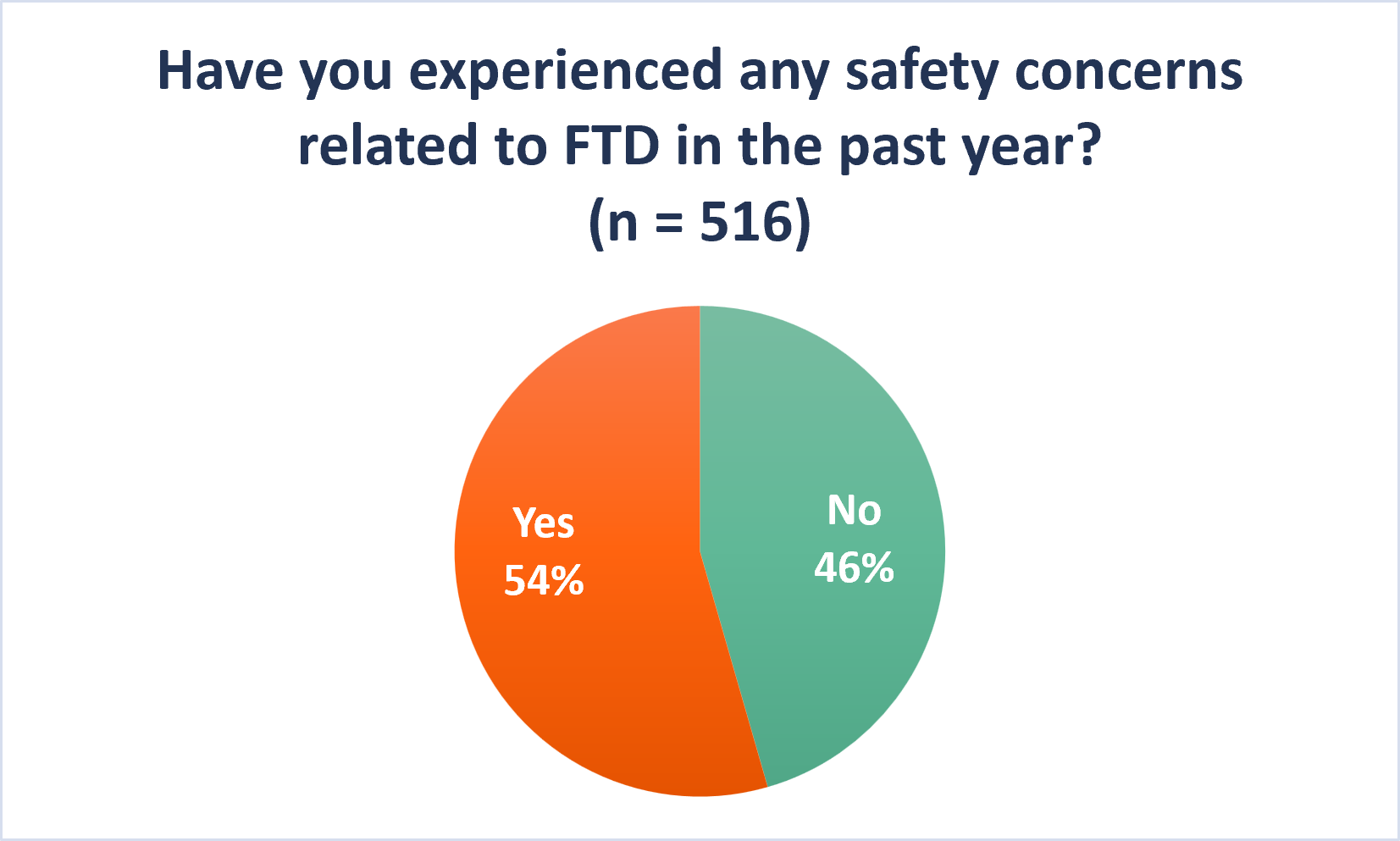
Just over half of respondents, 54%, said they had experienced a safety concern related to FTD in the past year, while 46% said they had not.
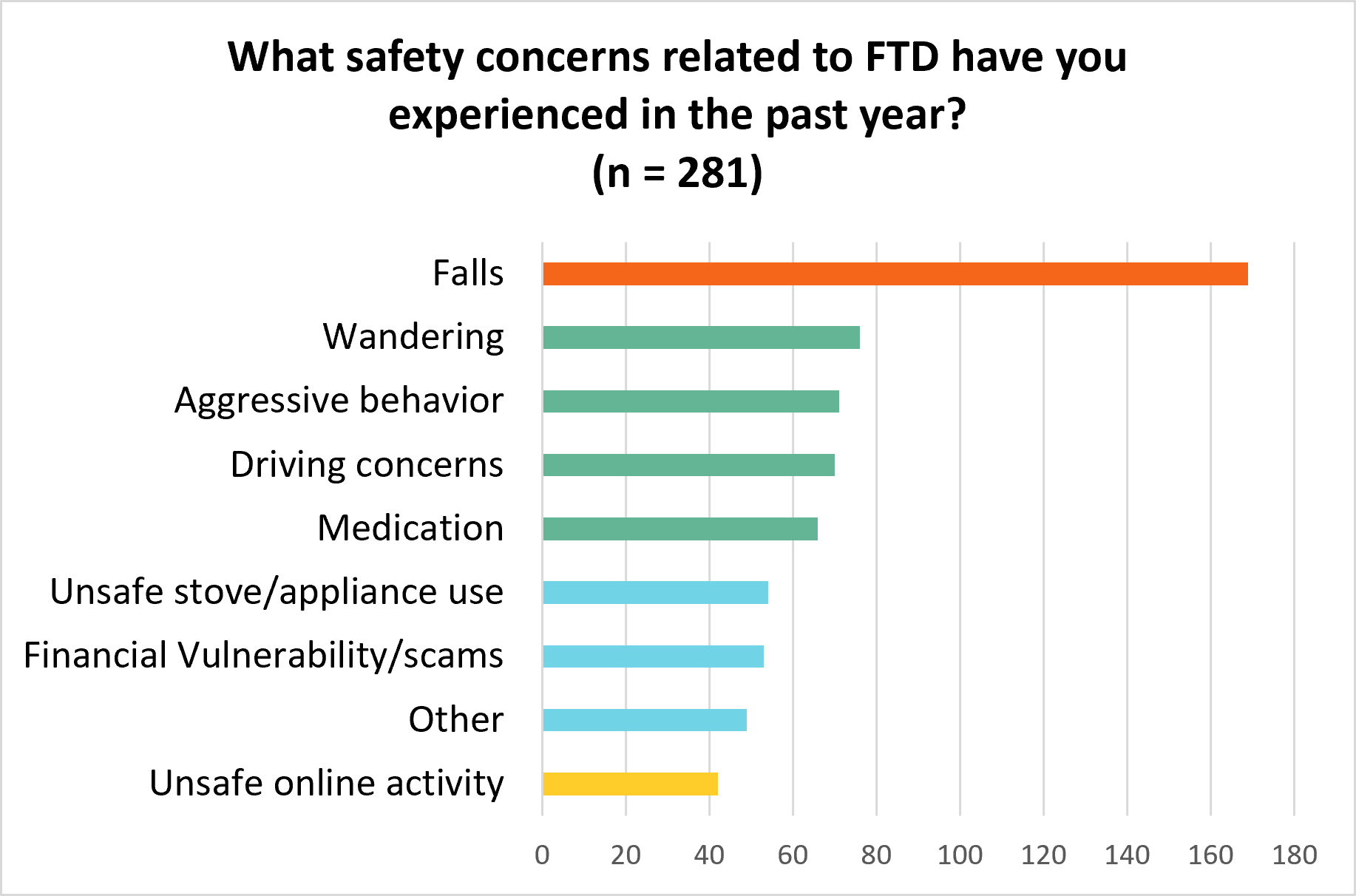
Among those who reported a concern, falls were by far the most common, reported by 60%. Other frequently reported concerns included wandering (27%), aggressive behavior (25%), driving concerns (25%), and medication-related concerns (23%). About one in five reported unsafe stove or appliance use (19%) or financial vulnerability or scams (19%), while 15% reported unsafe online activity. Respondents could select more than one concern, and 17% selected “Other.” Among the most common write-in responses were safety concerns related to eating and smoking.
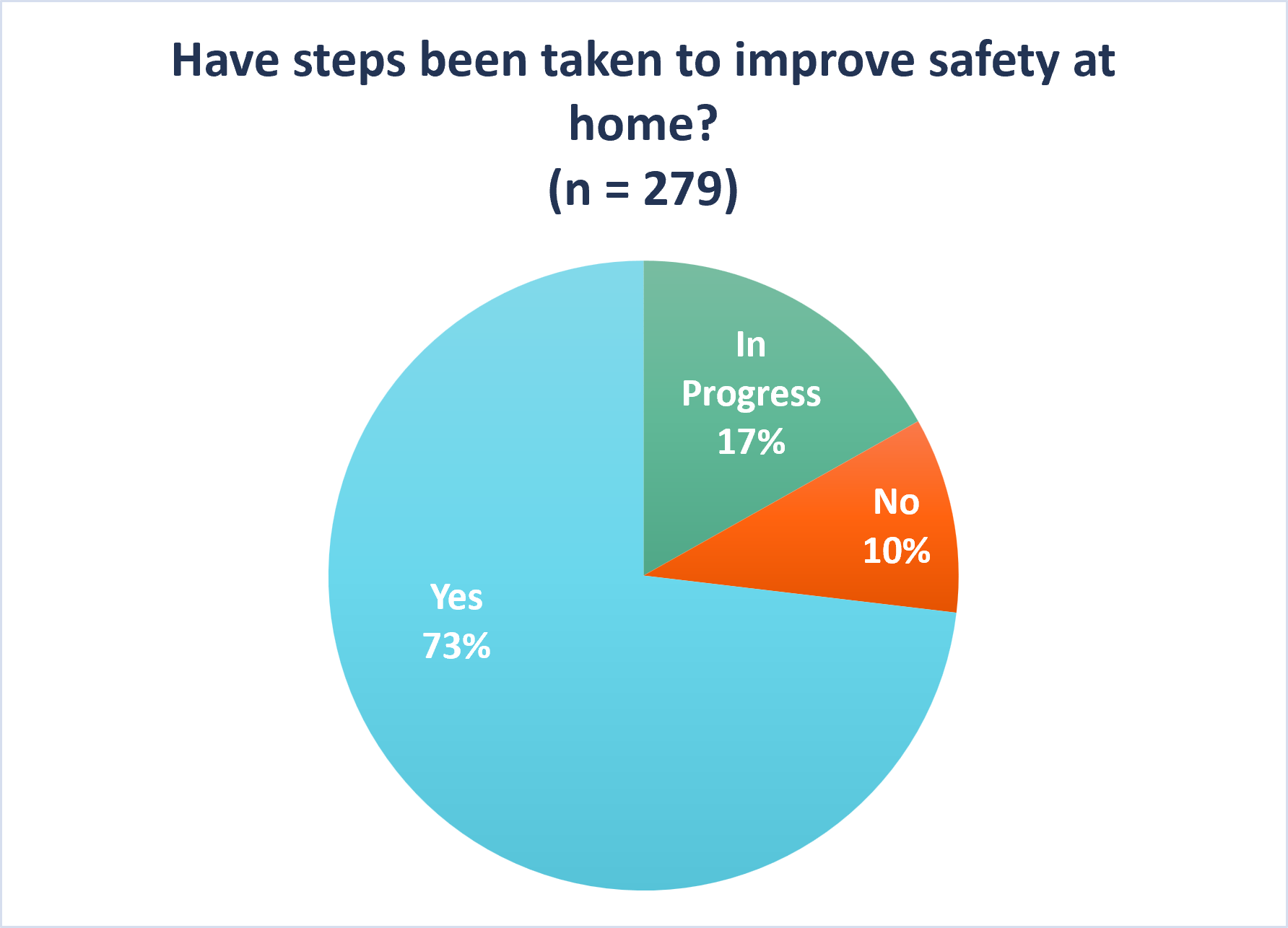
When asked whether steps had been taken to improve safety at home, nearly three-quarters of respondents (73%) said yes. Another 17% said safety improvements were in progress, while 10% said no steps had been taken.
These responses highlight how varied safety concerns can be for people impacted by frontotemporal degeneration, from falls and wandering to financial, driving, eating, and household risks. They also show that many families are taking action to make their homes and routines safer. Understanding the types of safety concerns people are experiencing can help inform resources, support, and future research focused on the real-world needs of the FTD community.
Demographics
Among respondents, the largest group was spouses answering on behalf of a person diagnosed with FTD (45%). We also had strong representation from persons diagnosed with FTD answering for themselves (24%) and biological family members answering on behalf of a person diagnosed with FTD (13%). In addition, 5% were biological family members answering for themselves, 4% were spouses answering for themselves, 3% were caregivers answering on behalf of the person diagnosed with FTD, and 2% were individuals carrying a gene associated with FTD with no symptoms and caregivers answering for themselves. A small number of respondents identified as other (1%) or a friend or a non-biological family member answering on behalf of an FTD diagnosed person (1%).
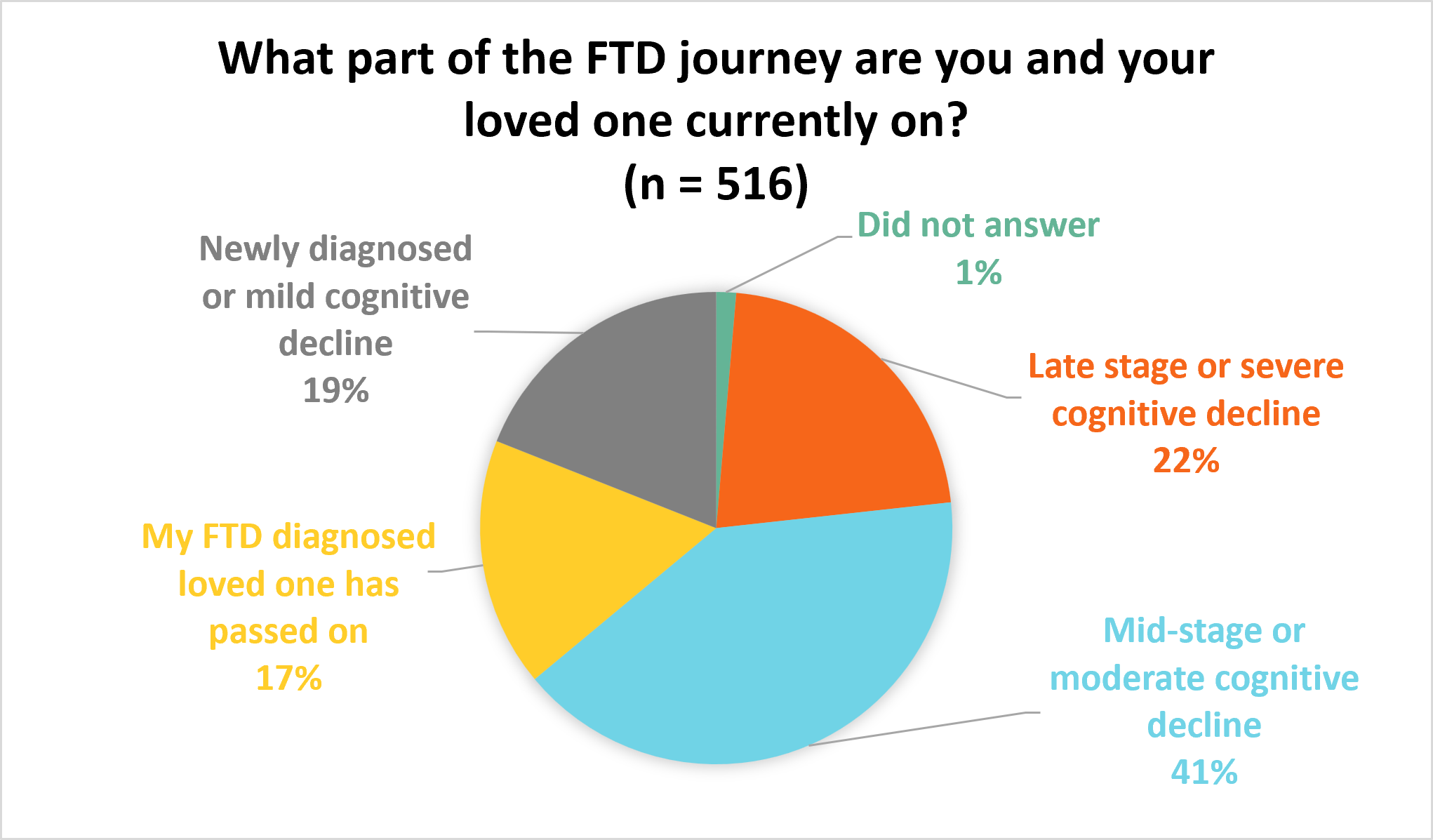
We received input on this Quick Question from all stages of the FTD journey. The largest groups were those in the middle stages of FTD (41%) and those in the late stage of FTD (22%). We also received input from those newly diagnosed (19%) and those whose FTD-diagnosed loved one had already passed away (17%). 7 people did not answer.
The majority of respondents to this Quick Question were female (63%). 36% were male. Eight people did not identify their gender. Answers came from around world with respondents reporting in from 28 countries, including 43 states plus Washington, DC and Puerto Rico, and seven Canadian provinces.
Together we can find a cure for ftd
The FTD Disorders Registry is a powerful tool in the movement to create therapies and find a cure. Together we can help change the course of the disease and put an end to FTD.

Your privacy is important! We promise to protect it. We will not share your contact information.