


PRESS & NEWS
Quick Question March 2026 Result:
A total of 533 community members shared their experiences, offering valuable insight into the diagnostic journey. These responses help deepen our understanding of the challenges individuals and families face and highlight opportunities to improve earlier recognition and access to care.
In March, the Registry Quick Question asked how long did it take to receive a formal diagnosis of frontotemporal degeneration (FTD) after the first symptoms appeared. A total of 533 community members shared their experiences, offering valuable insight into the diagnostic journey. These responses help deepen our understanding of the challenges individuals and families face and highlight opportunities to improve earlier recognition and access to care.
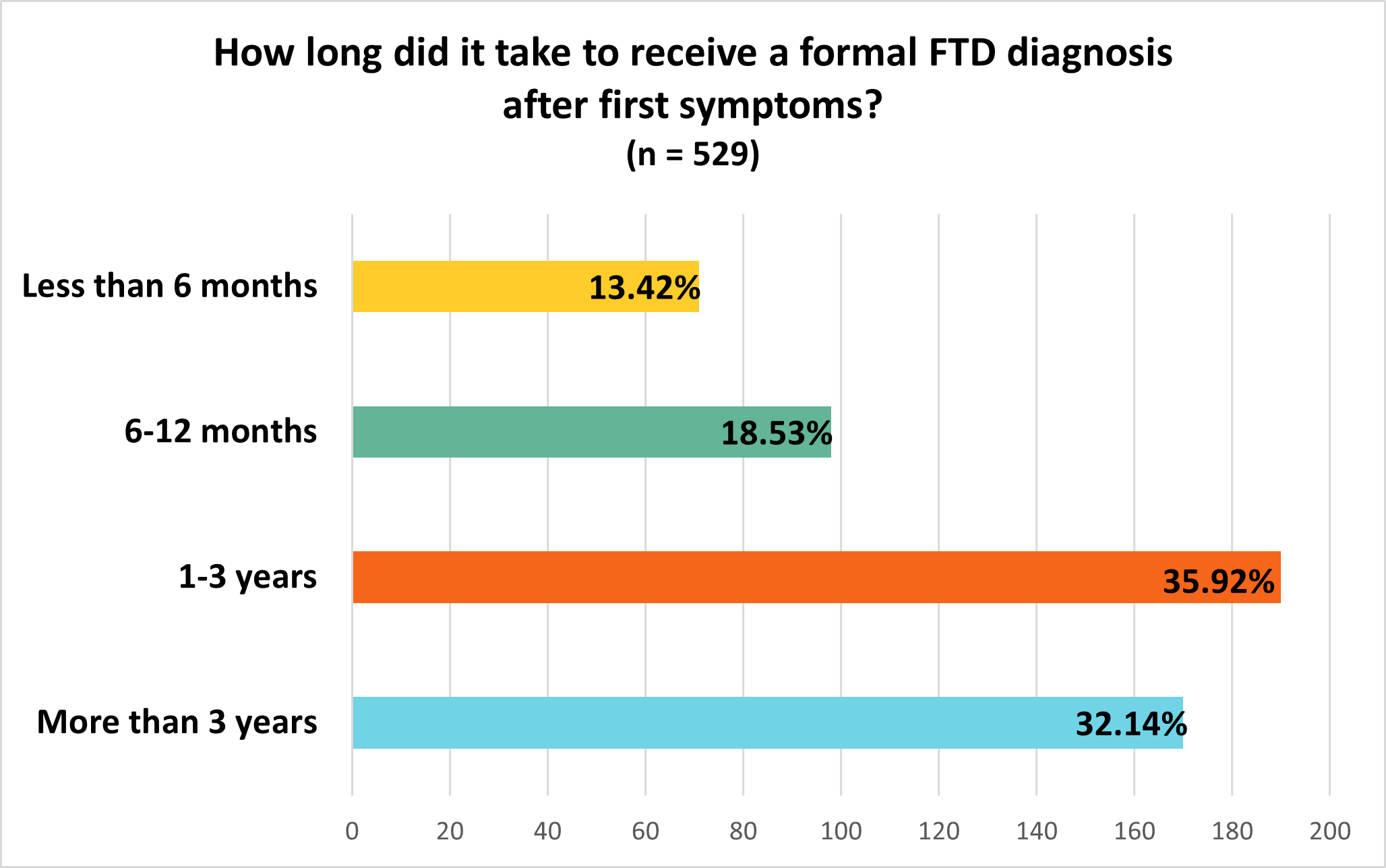
Based on the data from the March Quick Question, about 35.92% of respondents reported that it took 1–3 years to receive a formal FTD diagnosis after their first symptoms, while 32.14% said it took more than 3 years. Approximately 18.53% received a diagnosis within 6–12 months, and 13.42% were diagnosed in less than 6 months. These results highlight the wide variation in the diagnostic timeline for FTD.
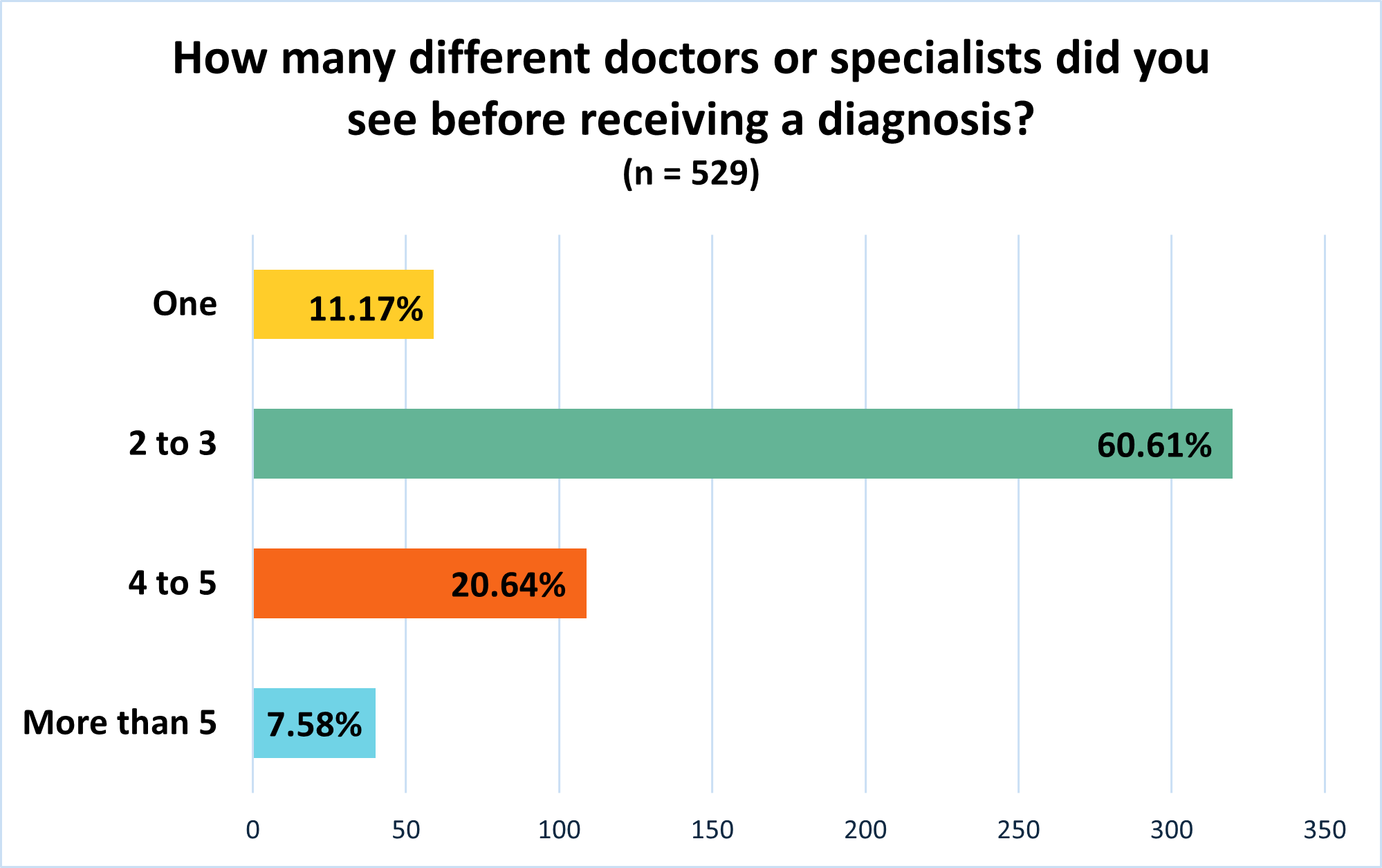
We also asked about the number of doctors or specialists seen before receiving a diagnosis. 60.61% of participants saw two to three different doctors or specialists before receiving an FTD diagnosis. About 20.64% saw four to five doctors, while 7.58% saw more than five. Only 11.17% received a diagnosis after seeing just one doctor. This underscores the often complex journey many families face in obtaining a formal diagnosis.
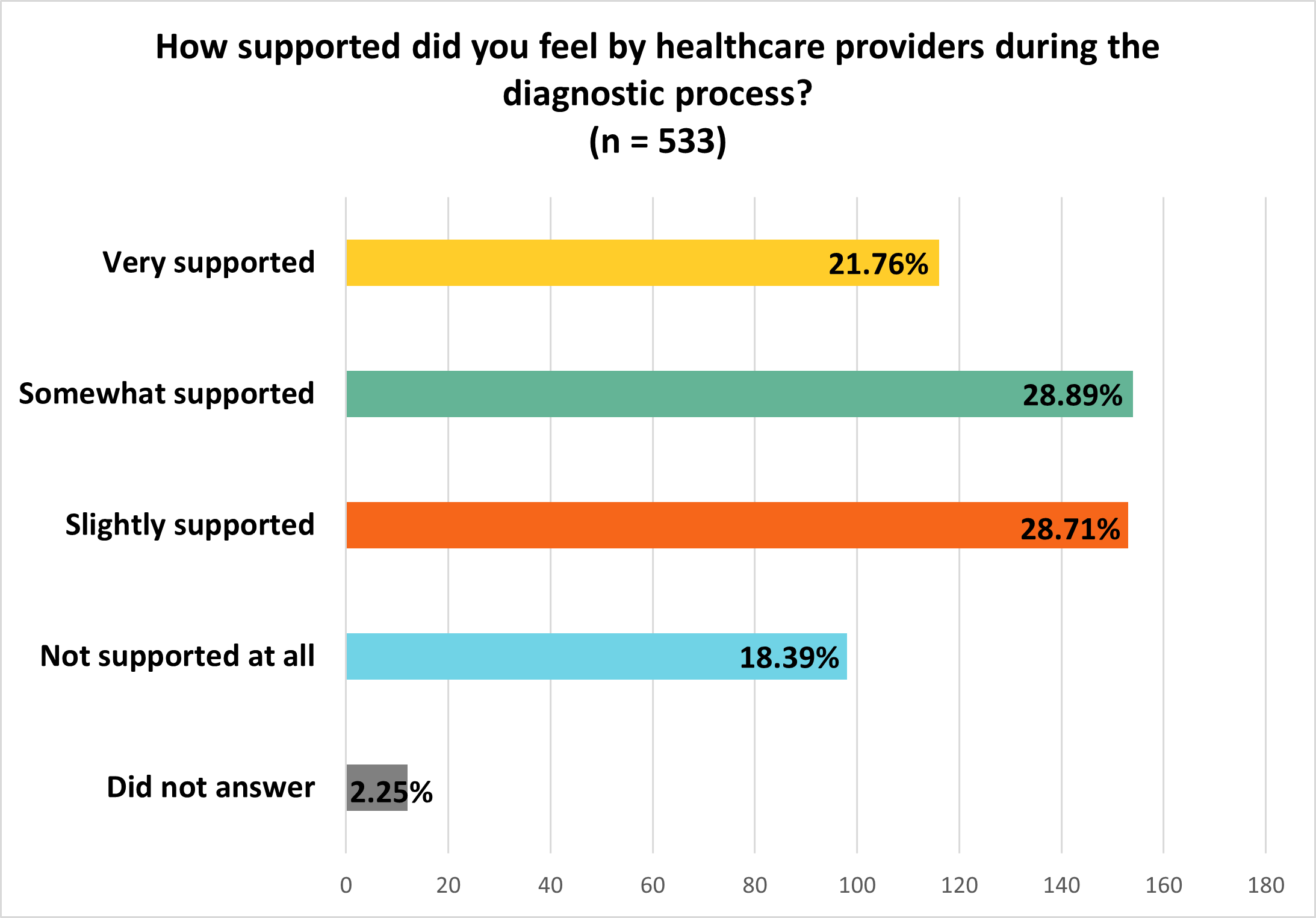
During the diagnostic process, participants’ feelings of support from healthcare providers varied. 18.39% felt not supported at all, 28.71% felt slightly supported, 28.89% felt somewhat supported, and 21.76% felt very supported. 12 people did not answer.
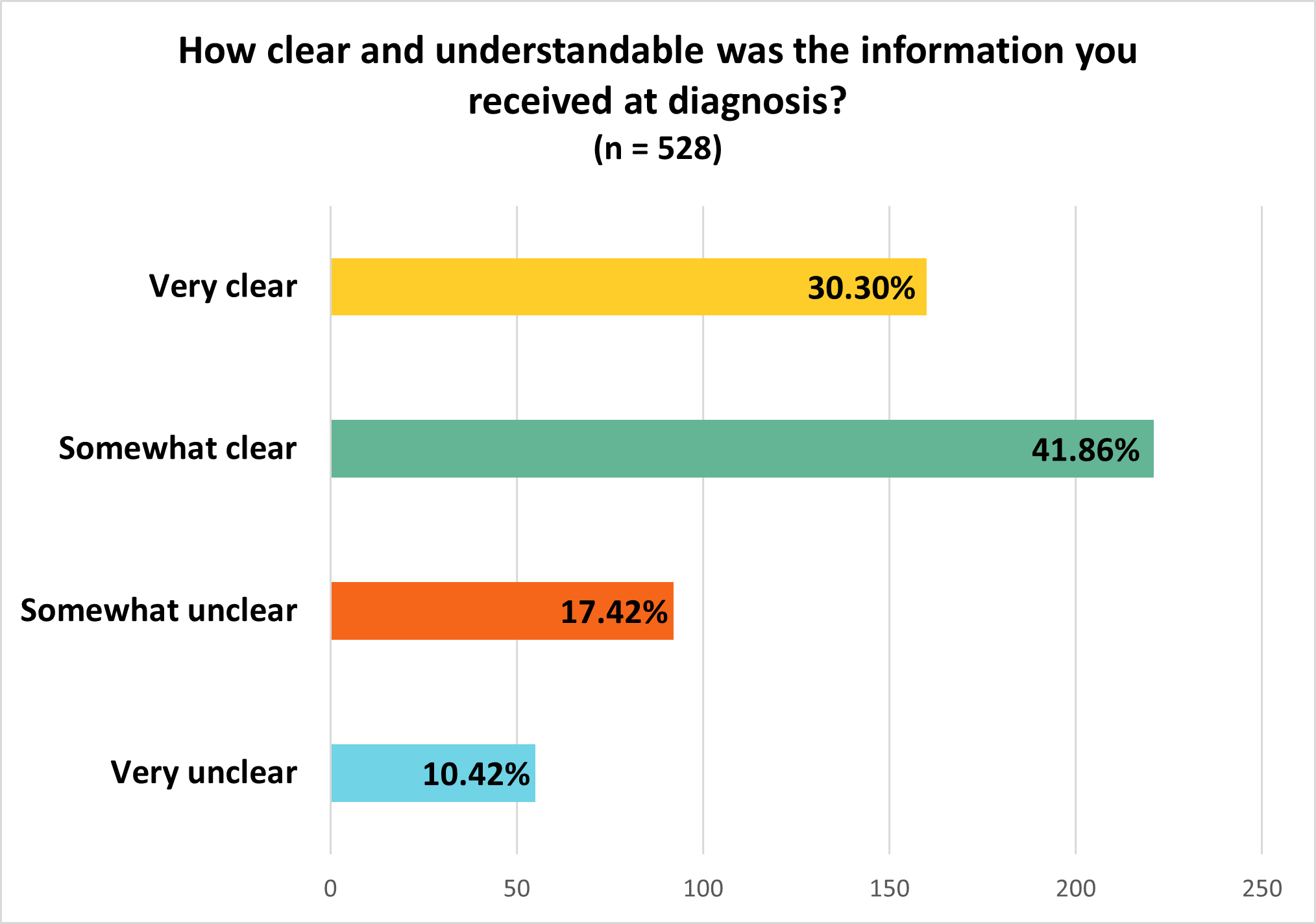
Out of all responses, 10.42% of participants reported that the information they received at diagnosis was very unclear, and 17.42% found it somewhat unclear. In contrast, 41.86% said the information was somewhat clear, and 30.30% described it as very clear, indicating that a majority experienced at least some level of clarity at the time of diagnosis.
Demographics
Among respondents, the largest group was spouses answering on behalf of a person diagnosed with FTD (52.34%). We also had strong representation from biological family members answering on behalf of a person diagnosed with FTD (20.63%) and persons diagnosed with FTD answering for themselves (18.19%). In addition, 3.18% were spouses answering for themselves, 2.43% were biological family members answering for themselves, and caregivers answering on behalf of a person diagnosed with FTD (1.12%). A small number of respondents identified as other (less than 1%), caregivers answering for themselves (less than 1%), a friend answering on behalf of an FTD diagnosed person (less than 1%).
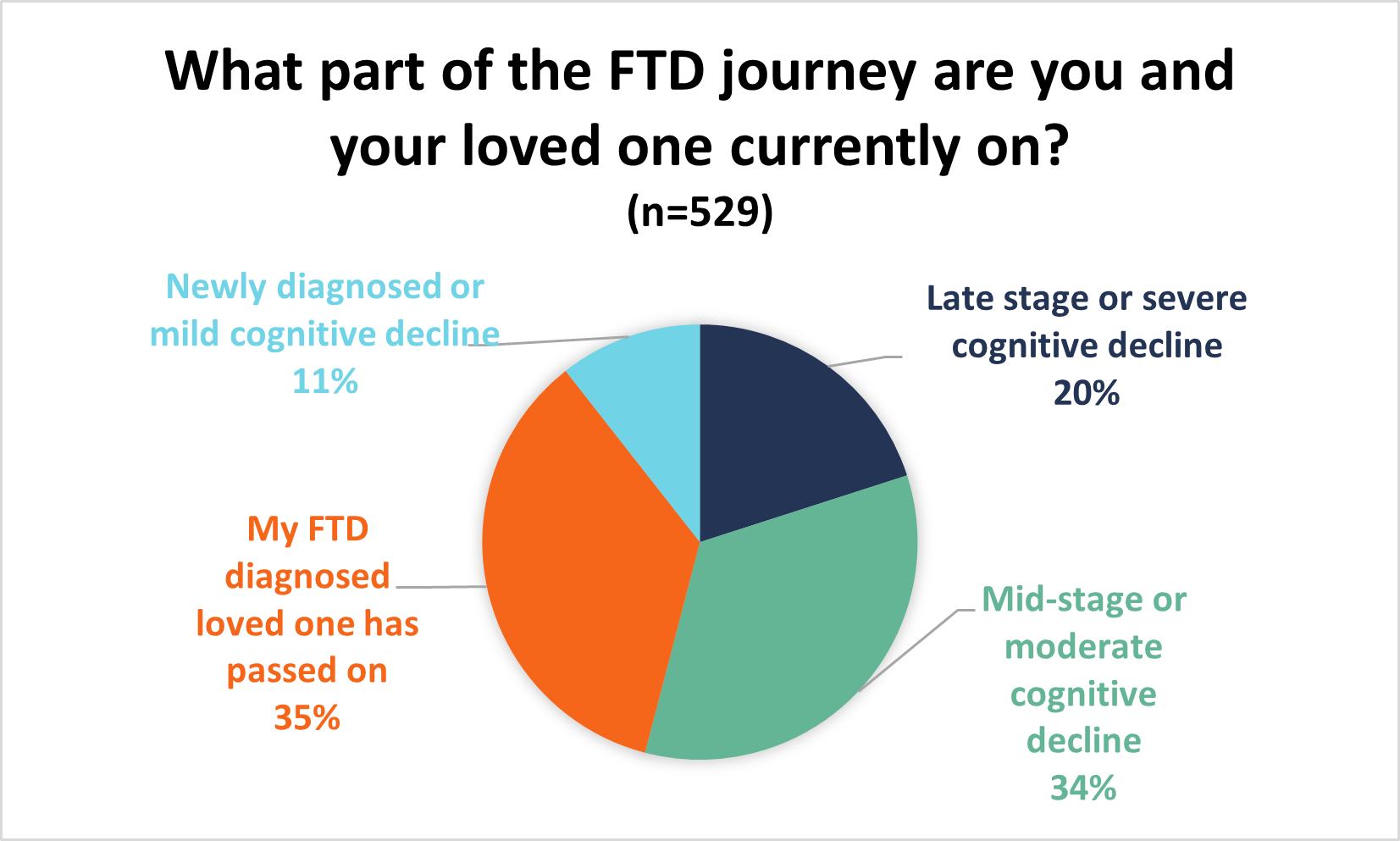
We received input on this Quick Question from all stages of the FTD journey. The largest groups were those whose FTD-diagnosed loved one had already passed away (35%) and those in the middle stages of FTD (34%). We also received input from those in the late stage of FTD (20%), and those newly diagnosed (11%). 4 people did not answer.
The majority of respondents to this Quick Question were female (67%). 33% were male. Two people did not identify their gender. Answers came from around world with respondents reporting in from 19 countries, including 43 states and the District of Columbia, plus seven Canadian provinces.
Together we can find a cure for ftd
The FTD Disorders Registry is a powerful tool in the movement to create therapies and find a cure. Together we can help change the course of the disease and put an end to FTD.

Your privacy is important! We promise to protect it. We will not share your contact information.