


PRESS & NEWS
Quick Question September 2025 Result:
Life with FTD is about so much more than medical symptoms. To better understand the impact of FTD disorders, our September Quick Question asked ...
Life with FTD is about so much more than medical symptoms. To better understand the impact of FTD disorders, our September Quick Question asked people in the community how their daily lives compared with peers of the same age who are not impacted by FTD. 563 people responded.
Respondents told us how they felt in six areas of life:
- Financial health
- Physical health
- Mental health
- Social connection
- Access to healthcare
- Ability to plan for the future
What Families Shared
Financial Health
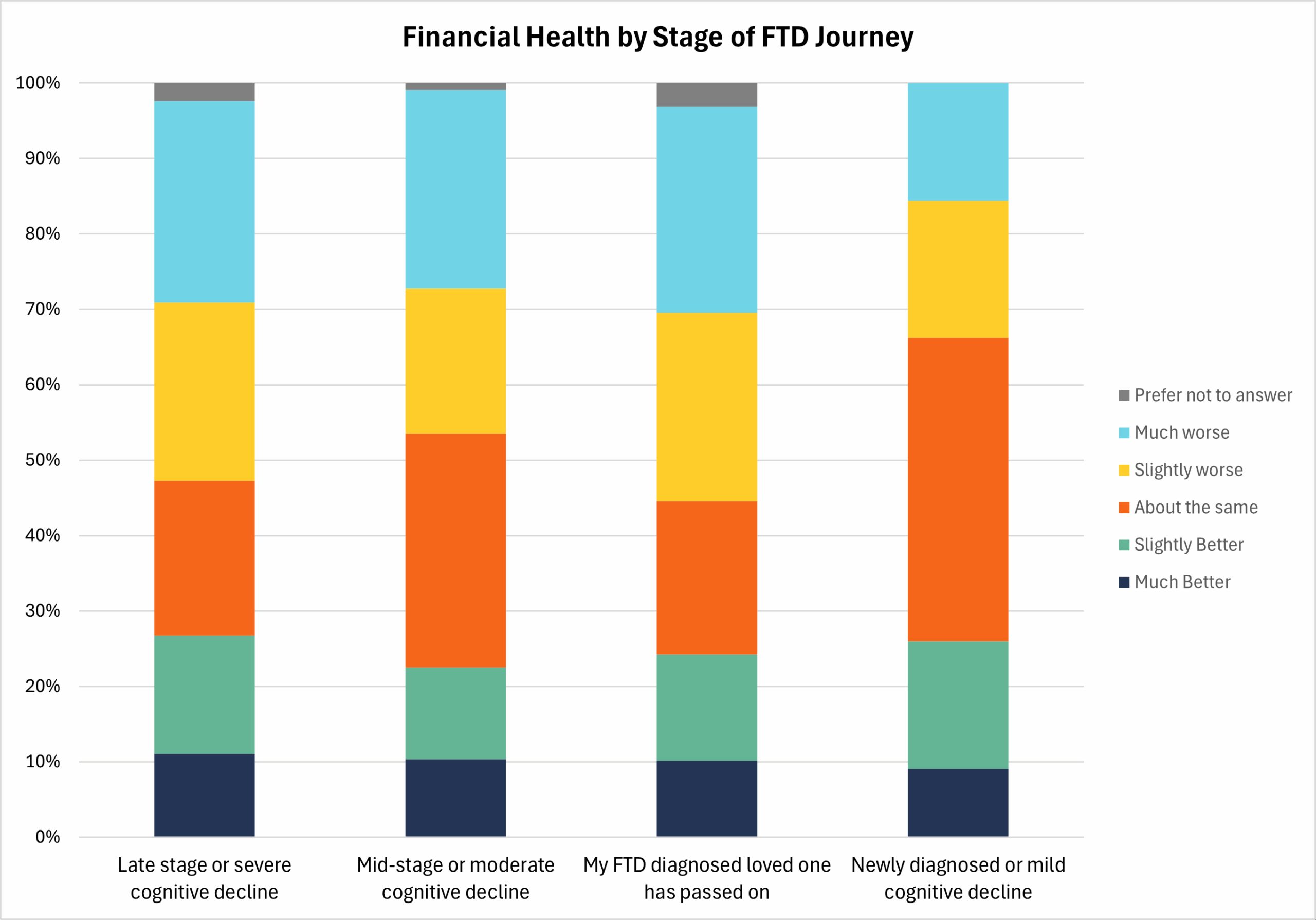
Money matters came through as one of the hardest areas. Many families described their financial health as much worse (25.14%) than their peers. Extra costs of care, reduced work hours, and long-term uncertainty all take a toll. About a quarter said things were about the same (27.34%), and another 21.47% described themselves as slightly worse. A smaller group reported feeling slightly better (14.13%) or much better (10.28%), suggesting that strong support systems, financial planning, or benefits can make a meaningful difference.
Physical Health

Physical health was another challenge. A large share of respondents reported being slightly worse (33.58%) or much worse (23.49%), reflecting the physical demands of caregiving or the direct symptoms of FTD. At the same time, many families still felt they were about the same as peers (26.42%), and some reported improvement to slightly better (10.46%) or much better (5.50%).
Mental Health

Mental health was among the most vulnerable areas. Nearly one-third of respondents (33.21%) said their mental wellbeing was much worse, while another 37.80% described themselves as slightly worse than peers with a combined 71.01% experiencing decline. 18.90% reported being about the same, and smaller groups noted slightly better (6.06%) or much better (3.12%) mental health.
Stress, grief, and exhaustion all play a role here. But even amid those challenges, some families find stability or improvement which often ties to having answers, supportive communities, or new coping tools.
Social Connection

Relationships told a mixed story. Most families described their social connections as worse than peers, with 41.83% saying much worse and another 29.17% saying slightly worse. 18.72% said things were about the same, while 5.32% felt slightly better and 4.59% said much better. For those families, finding support groups or leaning into community may create a sense of connection they might not have had otherwise.
Access to Healthcare
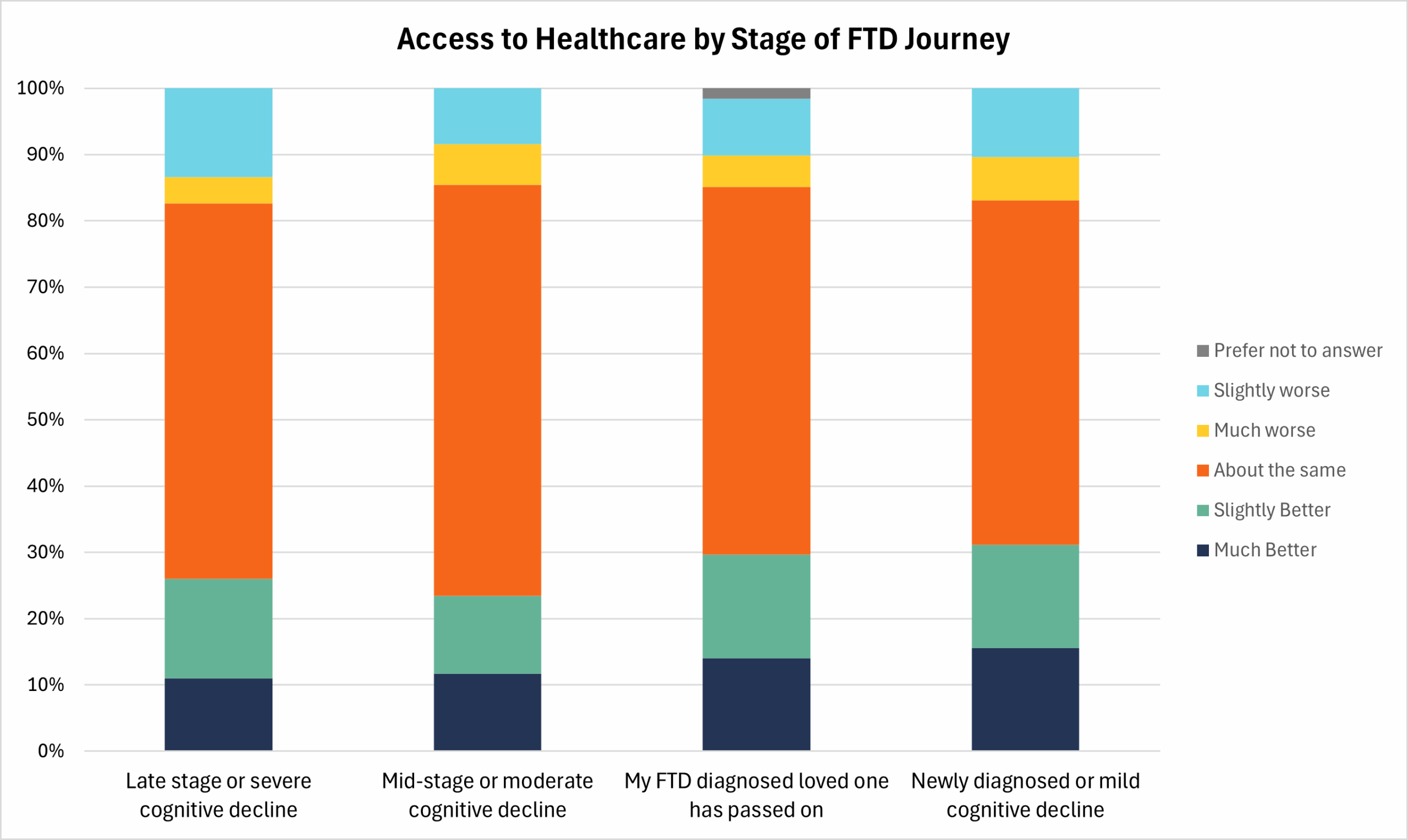
Healthcare access stood out as one of the most balanced areas in the survey. 57.80% of respondents said their access to healthcare was about the same as peers. However, some families reported some degree of improvement to slightly better (13.94%) and much better (12.66%).
Still, 9.91% said their access was slightly worse, and 5.32% described it as much worse, highlighting ongoing barriers for a subset of families.
These results show how experiences vary: for some, diagnosis opens doors to new medical resources and support; for others, it exposes gaps that make navigating the healthcare system even more difficult.
Ability to Plan for the Future
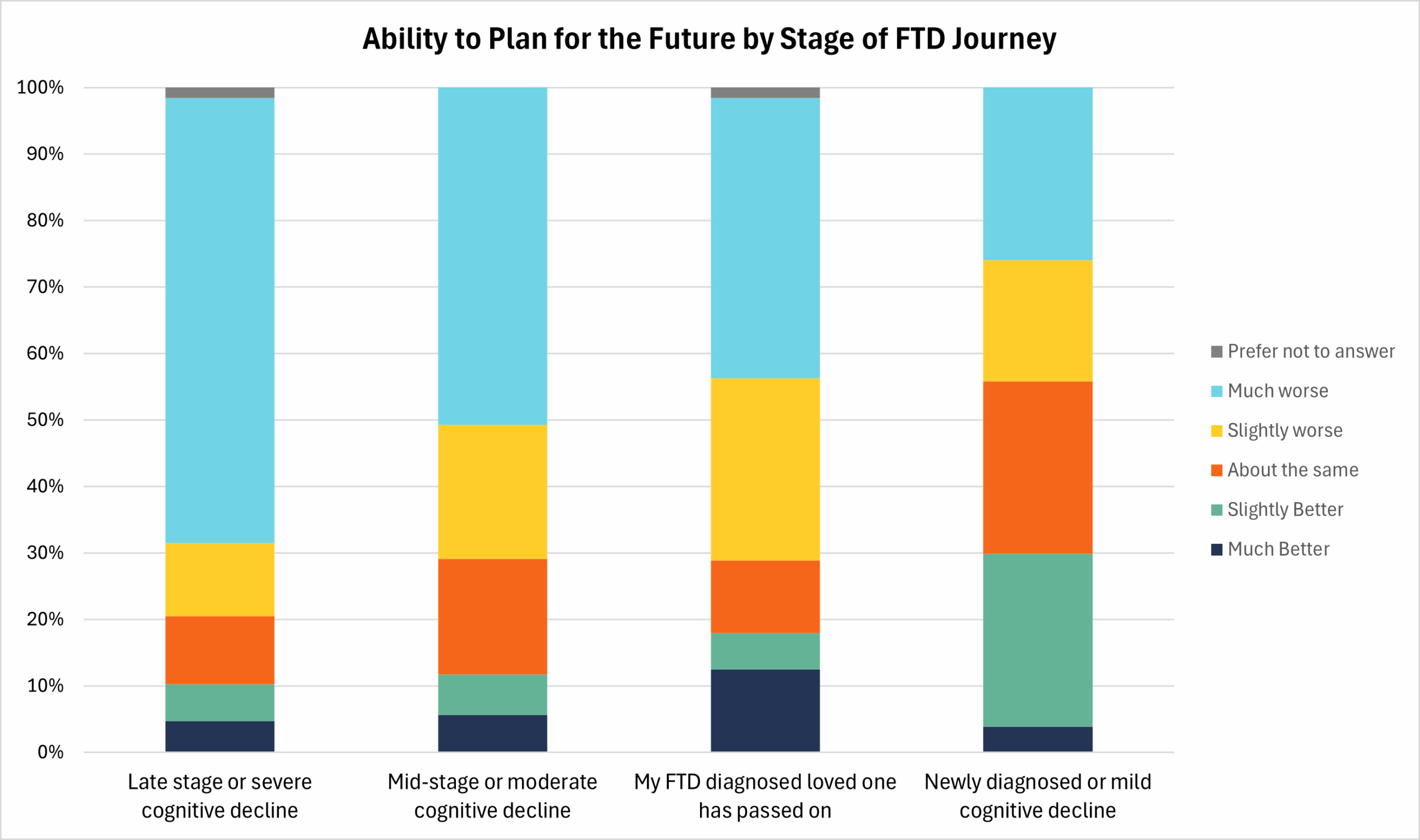
Planning ahead was the hardest category of all. Families across stages most often said their ability to plan for the future was much worse (48.99%). The uncertainty of progression, financial strain, and emotional burden all make it harder to look forward. Yet, a handful of respondents did say they felt slightly better (8.62%) or much better (6.79%) in this area.
Experiences Change Over Time
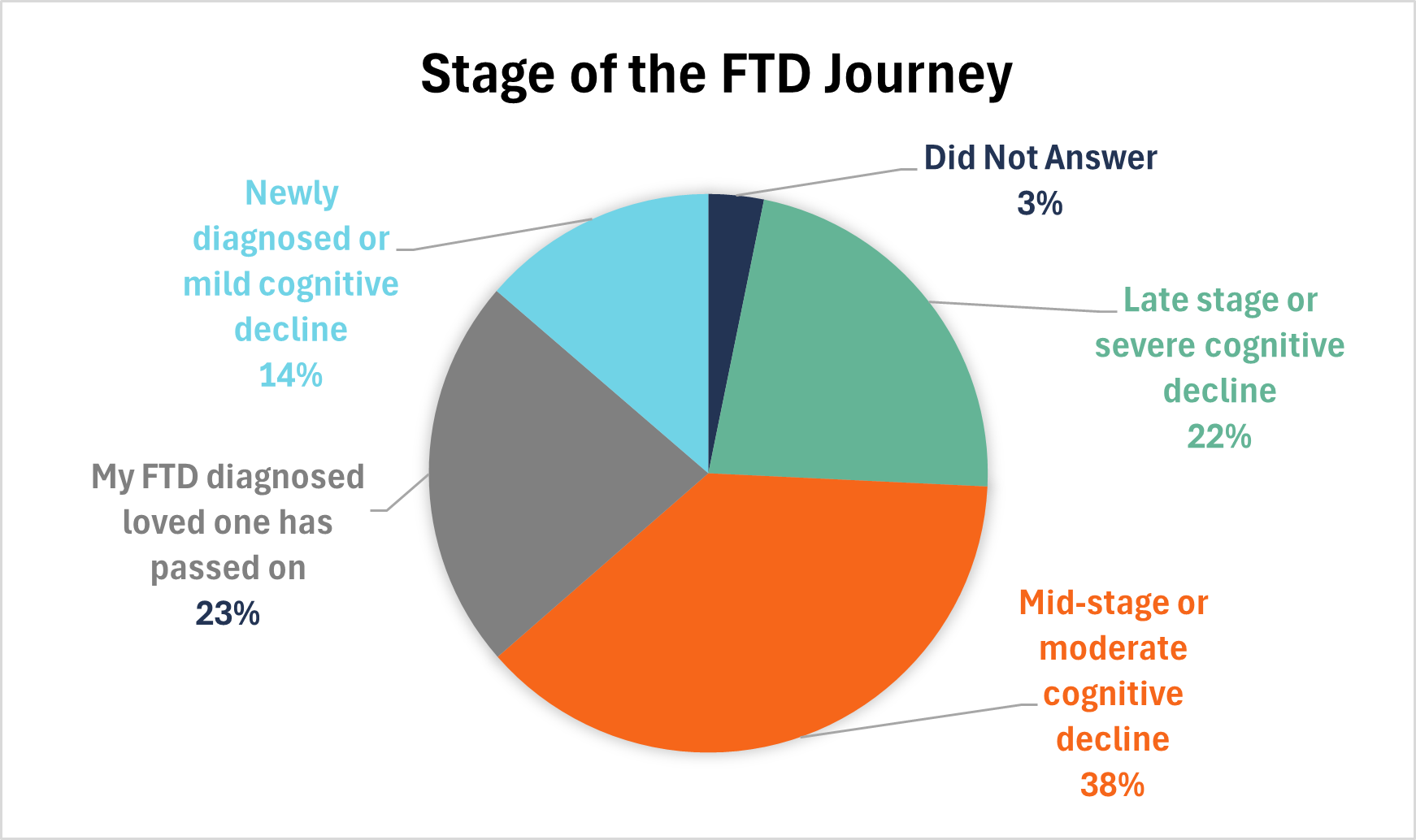
Newly Diagnosed
Early on, many families said things felt about the same as their peers, with some even noting improvements. A diagnosis can bring clarity and sometimes new support, which may explain why a few people said parts of life felt slightly better or much better.
Mid-Stage
This was the most difficult stage. Families in the middle of the journey most often reported things were much worse, especially in financial health, mental health, and the ability to plan for the future. For many, this is when the daily challenges feel heaviest.
Late Stage
Late-stage responses were also often negative, but with more variety. Some families may have managed to secure better healthcare access or financial support, which showed up as “better” responses. Still, overall burdens remained very high.
After a Loved One Has Passed
Responses here were deeply mixed. Some reported continued hardship, especially with finances and planning, while others noted stability or even improvement in mental health and future outlook. This reflects the complex blend of grief, relief, and resilience that comes after caregiving ends.
What We Can Learn
- Finances and planning take the hardest hit. These were the areas most likely to be rated much worse, especially mid-stage.
- Healthcare access is uneven. For some, it improved; for others, it remained a barrier.
- There are still sparks of hope. Even in the hardest times, a few families reported that parts of life felt better.
Demographics
Among respondents, 9% were biological family members answering for themselves, while 11% were biological family members answering on behalf of an FTD-diagnosed person. 2% were caregivers answering for themselves, 2% were caregivers answering on behalf of an FTD-diagnosed person, and 2% described themselves as a friend or other. 18% were people diagnosed with FTD answering for themselves, 14% were spouses answering for themselves, and 39% were spouses answering on behalf of an FTD-diagnosed person. 3% of respondents did not identify themselves.
The majority of respondents to this Quick Question were female (67%). 30% were male. Fifteen people did not identify their gender and one person identified themselves as non-binary. Answers came from around world with respondents reporting in from 19 countries, 46 states and the District of Columbia.
Together we can find a cure for ftd
The FTD Disorders Registry is a powerful tool in the movement to create therapies and find a cure. Together we can help change the course of the disease and put an end to FTD.

Your privacy is important! We promise to protect it. We will not share your contact information.