


PRESS & NEWS
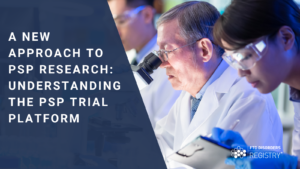
The PSP Trial Platform is using an innovative approach to study multiple potential treatments within one shared clinical trial framework. Learn how this new model could help advance PSP research and make clinical trials more efficient.

The FTD Disorders Registry was created to share the many perspectives of the lived experience of FTD disorders.
We heard from 500 members of the FTD community, offering valuable insight into how technology is being used to navigate the challenges of FTD disorders.
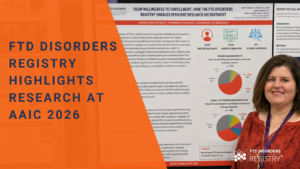
The FTD Disorders Registry presented a poster highlighting the value of the Registry at AAIC 2026.
A total of 564 people responded, offering important insight into how diagnosis can evolve over time and reflecting the complexity many families face on the FTD journey.
Together we can find a cure for ftd
The FTD Disorders Registry is a powerful tool in the movement to create therapies and find a cure. Together we can help change the course of the disease and put an end to FTD.

Your privacy is important! We promise to protect it. We will not share your contact information.