


Posts by Mary Krause
Who Has a Role in the FTD Disorders Registry?
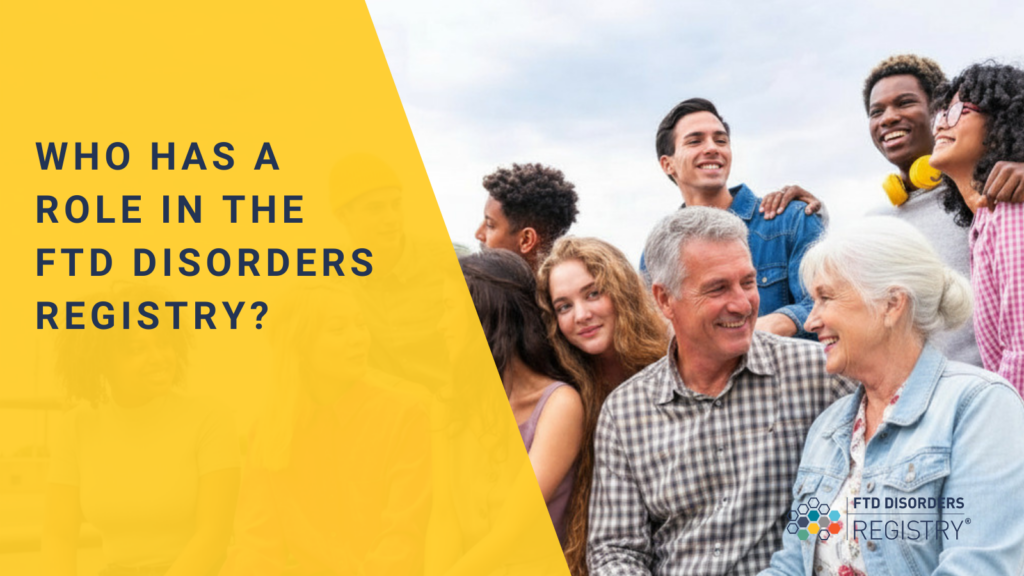
The FTD Disorders Registry was created to share the many perspectives of the lived experience of FTD disorders.
Read MoreFTD Disorders Registry Highlights Research at AAIC 2026
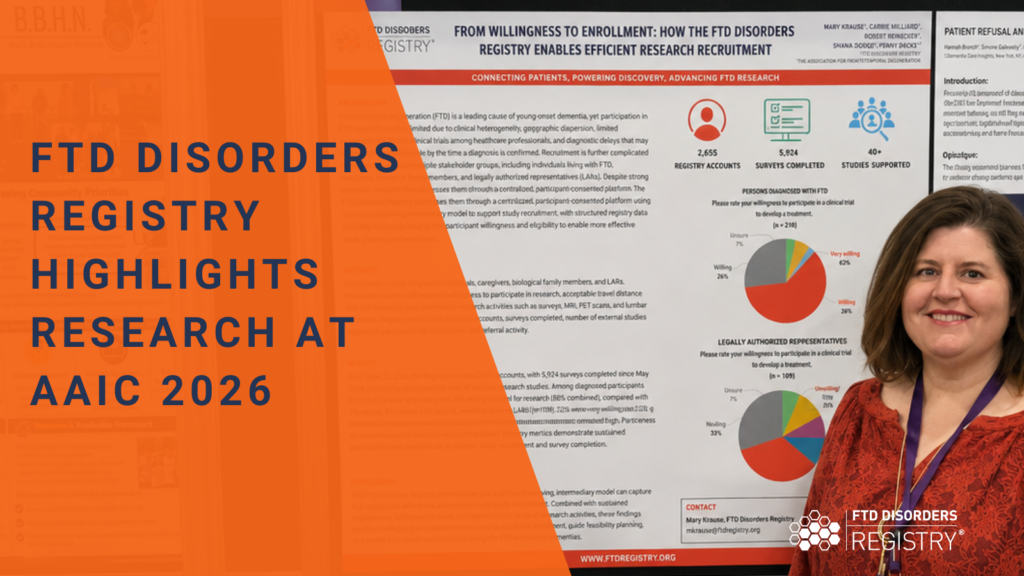
The FTD Disorders Registry presented a poster highlighting the value of the Registry at AAIC 2026.
Read MoreJoin in July: Help Grow a Research-Ready Community

Researchers working on FTD studies often face a major challenge: not enough participants. By joining the FTD Disorders Registry, you can help build a stronger, more research-ready community.
Read More5 Things You Can Do in the FTD Disorders Registry This Month
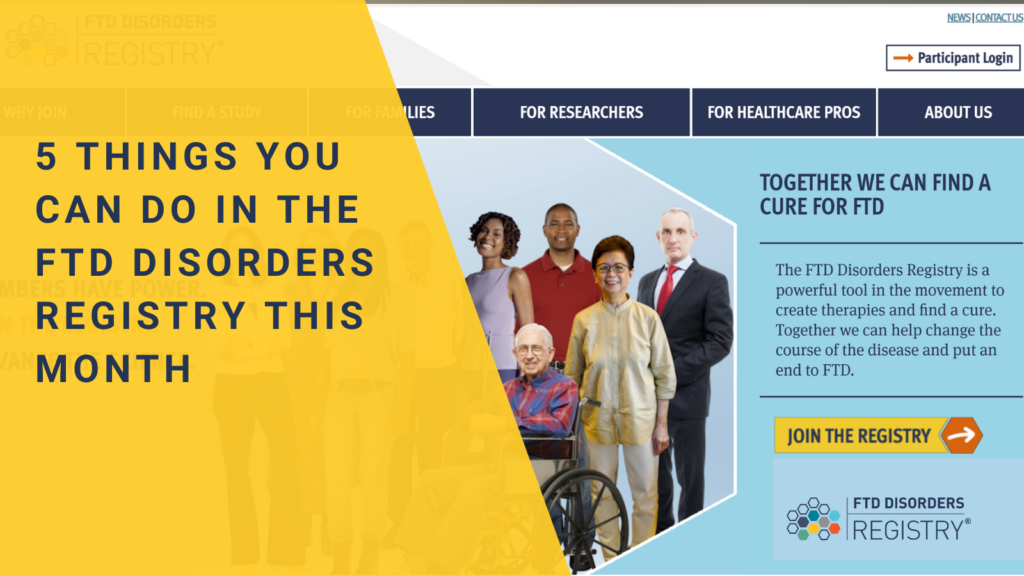
It is important to login to your Registry dashboard regularly to review pending activities and keep your profile up-to-date.
Read MoreWhat “Deidentified Data” Really Means
We often talk about deidentified data provided to researchers., but what does “deidentified data” really mean, and how can it help advance FTD research while protecting your privacy?
Read MoreThe Future of Collaborative Research in Frontotemporal Degeneration
Frontotemporal degeneration research is becoming more collaborative, offering real momentum toward faster trials and more meaningful progress for families impacted by the disease.
Read MoreStay Research Ready: Four Simple Ways to Support FTD Research
When you stay research ready, you help researchers understand that there is a strong, engaged, community eager to accelerate progress.
Read MoreHow to Find Clinical Trials for FTD
Learn how to find FTD clinical trials and stay informed as new research opportunities emerge.
Read MoreASPIRE-FTD Trial Expands to Fourth Cohort
AviadoBio has expanded its ASPIRE-FTD clinical trial, creating new opportunities for people with GRN mutations to participate in gene therapy research.
Read MoreWhat Care Partners Teach Researchers

Care partners play a vital role in helping researchers understand how the impact of FTD unfolds in daily life. Through their observations, experiences, and participation in the FTD Disorders Registry, care partners provide insights that shape future studies and ensure research reflects the real challenges families face.
Read More